Roulette looks simple on the surface, but its structure is built on probability, house edge, and disciplined decision-making. Many players approach the wheel with instinct rather than strategy, which leads to inconsistent results. Understanding how probability works creates a clearer picture of what is possible and what is statistically unlikely. With the right approach, roulette can become a more controlled and predictable experience rather than a guessing game.
Every spin of the wheel is independent, meaning previous outcomes do not influence the next result. This is a key idea many players misunderstand. Because each spin resets the odds, smart betting focuses on managing risk, choosing bets with stronger probabilities, and avoiding emotional decisions. A balanced method reduces volatility and improves long-term stability.
Understanding Roulette Probability
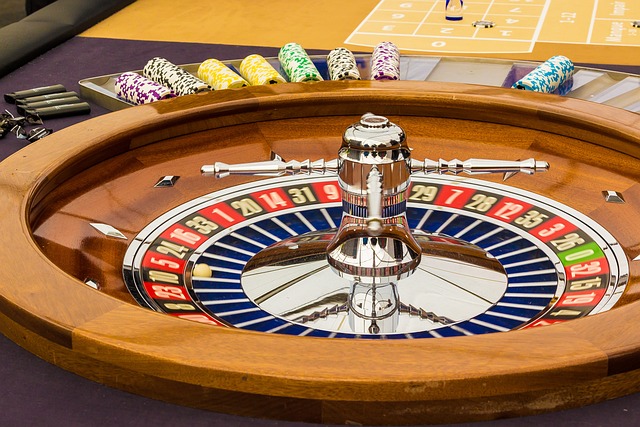
Roulette probability begins with the number of pockets on the wheel. European roulette has 37 pockets, while American roulette has 38. This single difference changes the house edge and should guide which version you choose. The fewer pockets, the better your chances, which is why European roulette is the smarter option. Its lower house edge makes every bet slightly more favorable.
Even-money bets such as red/black or even/odd offer the highest chance of winning per spin, though still slightly below 50 percent because of the zero pocket. While they don’t deliver large payouts, they provide stability. Players who focus on these outcomes experience more predictable swings and longer sessions.
Outside vs. Inside Bets
Outside bets cover larger sections of the wheel, such as dozens or columns. They provide higher probabilities of winning but lower payouts. These bets suit players who prioritize steady results over big risks. Inside bets, like single numbers or splits, offer much larger payouts but carry lower win rates. Balancing both types gives you variety while maintaining control.
Many new players gravitate toward chasing big wins with inside numbers. While exciting, these choices quickly drain a bankroll. Smart use of inside bets involves pairing them with stable outside bets so losses are softened. This structure offers entertainment without exposing your bankroll to extreme volatility.
How the House Edge Impacts Results
The house edge represents the statistical advantage the casino holds on every spin. In European roulette, the edge is noticeably lower, which directly affects long-term outcomes. Players who consistently choose games with a better edge retain their bankroll longer and experience fewer sharp declines. Over hundreds of spins, the difference becomes significant.
Accepting the house edge also removes the illusion that certain systems can “beat” roulette. No betting system eliminates probability. Instead, smart approaches aim to control risk rather than overcome mathematics. Keeping expectations grounded leads to clearer decisions and better results.
Smart Betting Tips for Better Results
Smart roulette betting begins with choosing the right game and the right structure of wagers. Start by selecting European roulette whenever possible, as it reduces the built-in disadvantage. Next, focus on bets that provide higher probability and lower volatility. This combination allows players to last longer at the table and make more informed decisions.
Consistent bet sizing is another key element. Increasing your wager after a loss often leads to rapid bankroll decline. A steady approach protects your funds while allowing you to gather more data from your session. The most disciplined players treat roulette like a numbers game rather than an emotional one.
Practical Bankroll Structure
A simple bankroll plan helps prevent reckless decisions. Divide your budget into equal units and use one unit per spin. This removes guesswork and ensures you remain in control of your total spending. If you reach your loss limit for the session, stop rather than trying to recover immediately.
Setting a win limit is equally important. Walking away when ahead protects your gains and prevents unnecessary losses. These rules turn roulette from a high-variance gamble into a more structured and predictable experience. Over the long term, players who follow clear guidelines perform better than those who play reactively.
Example: Comparing Common Bets
Below is a small table showing how different bets compare in terms of probability and payout. While all bets face the same house edge, some clearly offer more stability.
| Bet Type | Payout | Win Probability (EU) |
|---|---|---|
| Red/Black | 1:1 | 48.6% |
| Dozens | 2:1 | 32.4% |
| Straight Up | 35:1 | 2.7% |
These differences illustrate why smart players use a mix of stable bets while avoiding excessive reliance on low-probability plays. The structure of the wheel remains constant, so adapting your betting pattern improves balance and consistency.
Conclusion
Roulette rewards players who understand its probabilities and manage their decisions with discipline. Choosing European roulette, focusing on high-probability bets, and using a structured bankroll plan all contribute to more stable outcomes. While no system can change the odds, smart play ensures you stay in control and enjoy a smoother, more strategic experience at the table.