Slot machines have evolved from simple mechanical devices into complex digital systems that drive much of the online gambling industry. Their history shows how technology, psychology, and design trends gradually shaped the games players see today. Early machines relied on levers, gears, and physical reels, while modern versions run on random number generators and advanced visual engines. Understanding this progression helps players appreciate how features, odds, and user experience have changed over more than a century.
These changes were not just technological; they reflected shifts in regulation, player expectations, and entertainment habits. As mechanical parts gave way to electronics and later to fully digital platforms, casinos gained more control over payout structures and themes. Players benefited from smoother gameplay, greater variety, and features that made sessions more interactive. Knowing this history provides context for how current digital slots function and why they differ so sharply from their earliest counterparts.
The First Mechanical Slot Machines
The earliest slot machines emerged in the late 19th century, built with basic metal frames and manually operated levers. These early devices were called “one-armed bandits” because players pulled a single lever to spin the reels and often walked away with empty pockets. Their symbols were simple—bells, horseshoes, and card suits—and payouts were controlled by mechanical stops. The machines were straightforward, but their tactile feel created a sense of excitement that established the foundation for modern slots.
Despite their simplicity, these early machines introduced key concepts still used today, such as spinning reels and fixed payout patterns. Mechanical limitations meant fewer symbols and fewer possible outcomes, which made the odds easier to calculate and more predictable. Over time, bars and saloons adopted them widely because they required little maintenance and offered steady entertainment. These early successes created demand for more sophisticated features and greater visual appeal.
The Rise of Electromechanical Slots
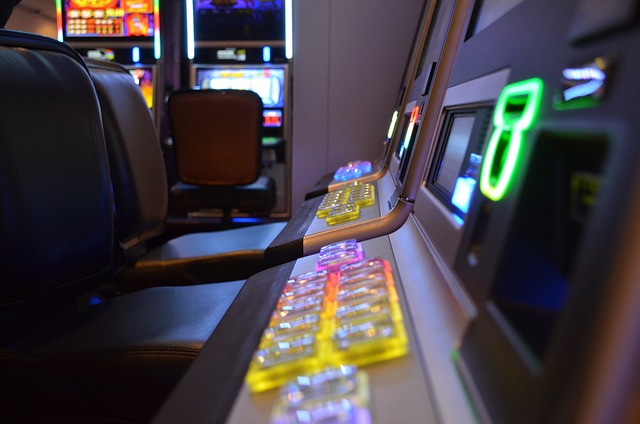
By the mid-20th century, electromechanical slots replaced pure mechanical systems with motors, wiring, and light effects. These machines allowed for more reel combinations and more dynamic game behavior, including larger payouts and optional features like hold buttons. The design became more engaging as bright lights and electronic sounds amplified the overall experience. This era marked the first major leap toward immersive slot gameplay.
Electromechanical machines also introduced more precise control over odds, which allowed casinos to customize payout percentages safely and consistently. As a result, slot floors expanded rapidly, and players began to trust the reliability of the new technology. These systems paved the way for video slots by blending physical reels with electronic components. Their success demonstrated that players responded strongly to visual and auditory stimulation alongside the core gambling mechanics.
The Arrival of Video Slots
Video slots emerged in the 1970s and 1980s, using screens instead of physical reels to display results. Removing mechanical constraints allowed developers to add more symbols, paylines, and animated effects, creating an entirely new style of gameplay. The shift also opened space for themed games inspired by movies, music, and pop culture, which helped slots appeal to broader audiences. Video slots marked the moment when gambling and interactive entertainment began to merge.
These machines also introduced bonus rounds, free spins, and mini-games that extended session variety without changing core mechanics. Because outcomes were controlled by random number generators, casinos could fine-tune volatility and payout structures more precisely than ever. This flexibility made video slots dominant on casino floors and set expectations for what modern online slots would eventually become. The transition from physical to digital presentation changed both player engagement and casino economics.
The Move to Online and Mobile Slots
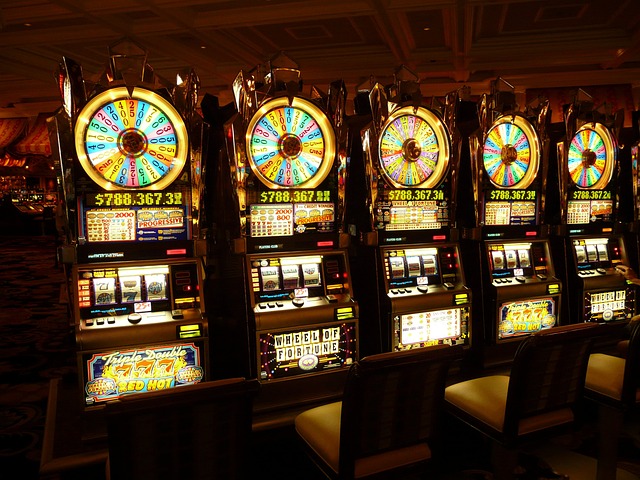
The rise of the internet in the 1990s brought the next major transformation: online slots. Digital platforms removed all physical constraints, allowing limitless themes, features, and reel structures. Players gained access to hundreds of titles from home, with smoother interfaces and more consistent pacing than land-based machines. Over time, online slots added progressive jackpots, intricate bonus systems, and higher-quality graphics that rival video games.
Mobile gaming pushed this evolution even further by optimizing slot design for touchscreens and shorter sessions. Developers focused on fast loading, intuitive controls, and clear visual feedback that suited phone-based play. Online casinos adopted features like achievements, missions, and leveling systems to increase engagement without altering odds. This shift turned digital slots into one of the most flexible gambling formats ever created.
Before showing the table, it’s useful to compare the defining traits of each generation of machines. These categories summarize how technology influenced design and player experience across eras.
| Era | Key Trait |
|---|---|
| Mechanical | Simple reels and lever-based play |
| Electromechanical | Electronic lights, motors, and bigger payouts |
| Video | Screens, animations, and RNG systems |
| Online | Unlimited themes and advanced bonus features |
What This Evolution Means for Modern Players
Today’s digital slots combine all previous innovations into fast, polished, and visually rich experiences. Players benefit from wide variety, transparent rules, and detailed information about volatility and return-to-player rates. At the same time, the ease of access and rapid pace of digital play require strong personal limits and good bankroll planning. Understanding how the technology evolved makes it easier to see why modern slots feel more immersive than their predecessors.
The long history of slot machines shows that progress always brings trade-offs. Mechanical machines offered simplicity but limited variety, while modern digital systems provide enormous choice but much faster gameplay. Players who understand these differences can choose games that match their preferred style and risk level. Informed decisions lead to more predictable sessions and a more balanced relationship with modern slot entertainment.